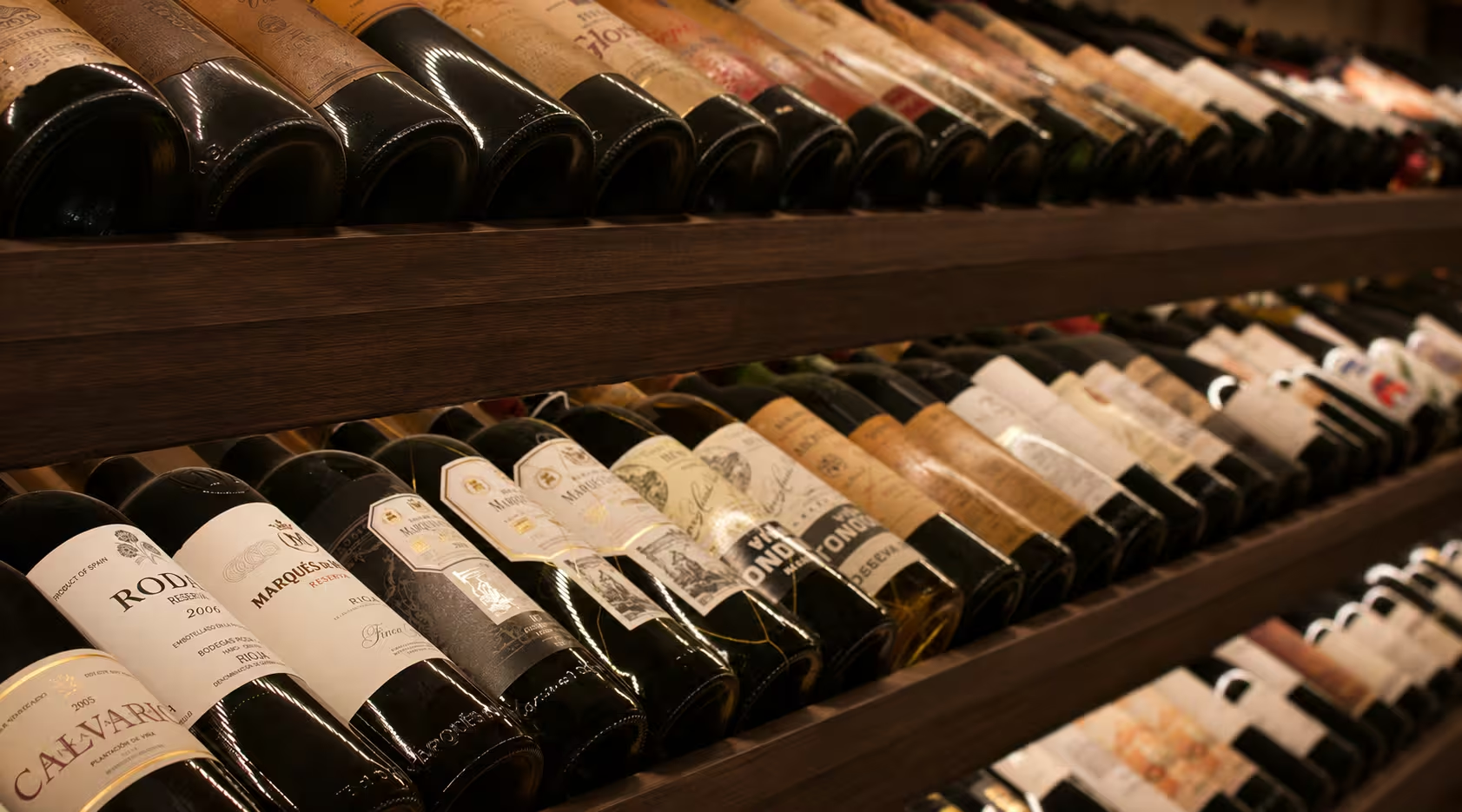
How to start a wine collection: a guide to buying well
A wine collection often begins with a memory. A bottle ordered over a long lunch in Tuscany, a Champagne shared on an important evening, or a wine whose character stays with you long after dinner.
Building a collection gives those discoveries somewhere to lead. Over time, individual purchases become a reflection of personal taste, travel and curiosity. The pleasure lies in choosing thoughtfully, understanding what you own and knowing when to open it.
For those beginning, a few considered decisions provide a sound foundation.
Begin with what you enjoy
Before choosing regions or vintages, consider the wines you return to and the occasions you want your collection to serve. Do you entertain frequently? Prefer mature reds? Enjoy exploring unfamiliar producers? Want bottles to mark family milestones?
Set an initial budget and decide how much to devote to wines for near-term drinking and how much to bottles you intend to keep. A collection should have a life around the table from the beginning.
Tastings are particularly useful at this stage. Comparing styles helps turn a broad preference into something more precise, giving future purchases a clearer direction.
Find a merchant you trust
An established merchant can help bring coherence to those first decisions. Justerini & Brooks is a relevant starting point, with resources covering provenance and professional storage alongside its fine-wine offering.
Ask questions about where a bottle has come from, how it has been stored and when it is likely to be enjoyable. For older wines, condition and storage history deserve particular attention.
The most valuable relationship is one in which your preferences become better understood over time. Share what you enjoyed, what disappointed and what you would like to discover next.
Explore a producer in depth
Following one producer across several wines or vintages can be more revealing than acquiring a succession of unrelated labels.
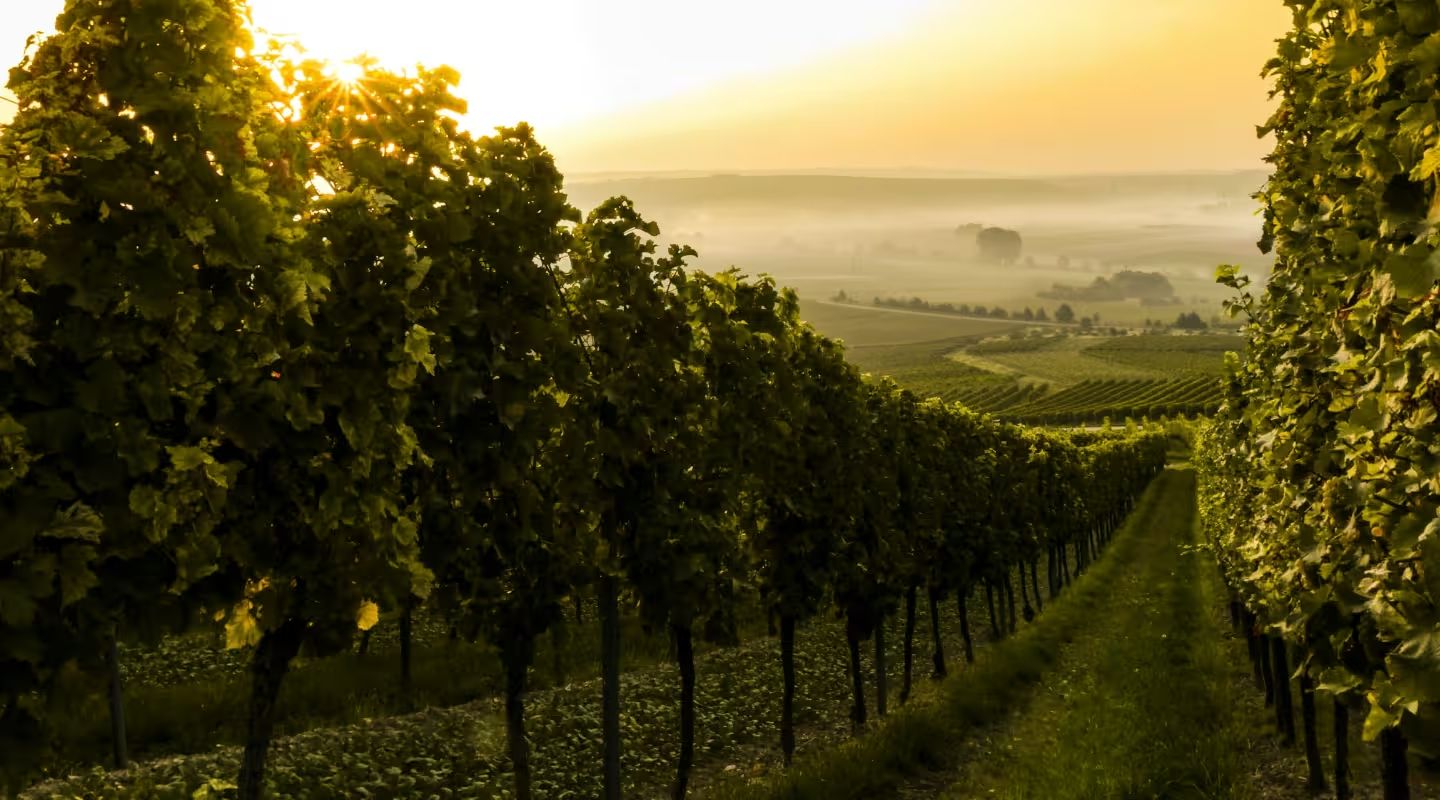
Marchesi Antinori offers a compelling route into Tuscany. Tignanello and Solaia come from vineyards on the same hillside at the Tignanello estate, providing a fascinating starting point for exploring how individual wines express their origins differently.
Rather than immediately seeking the rarest release, discuss suitable vintages with a specialist. Where appropriate, buying several bottles allows you to revisit a wine over time and notice how your own understanding develops.
Give Champagne its own place
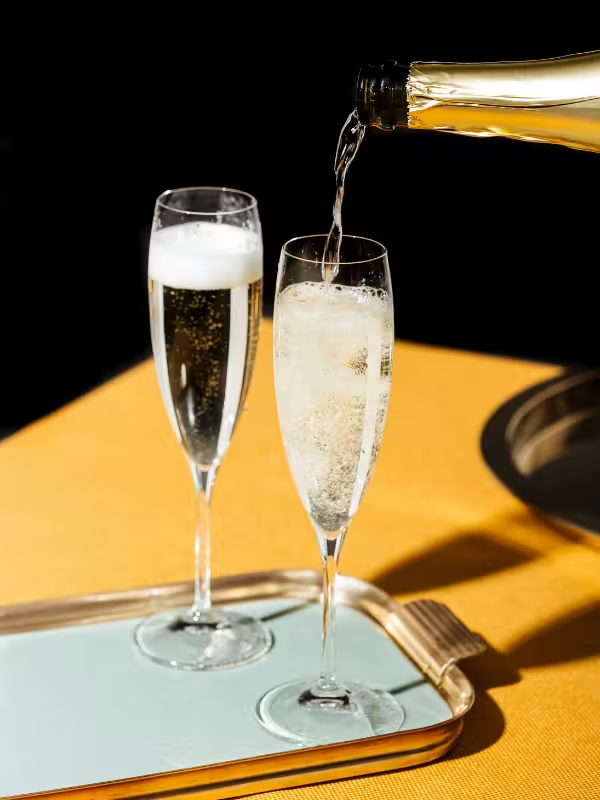
Champagne deserves consideration throughout a collection, from bottles for spontaneous hospitality to those reserved for a particular dinner.
Maison Krug adds an interesting dimension through Grande Cuvée, released in successive numbered Éditions. Exploring these offers a way to learn about the house’s approach and the distinctions between releases.
Choose according to the experiences you want to create. A collection becomes more rewarding when its contents invite occasions to open them.
Leave room for something distinctive
A bottle outside your usual preferences can introduce an entirely new interest.
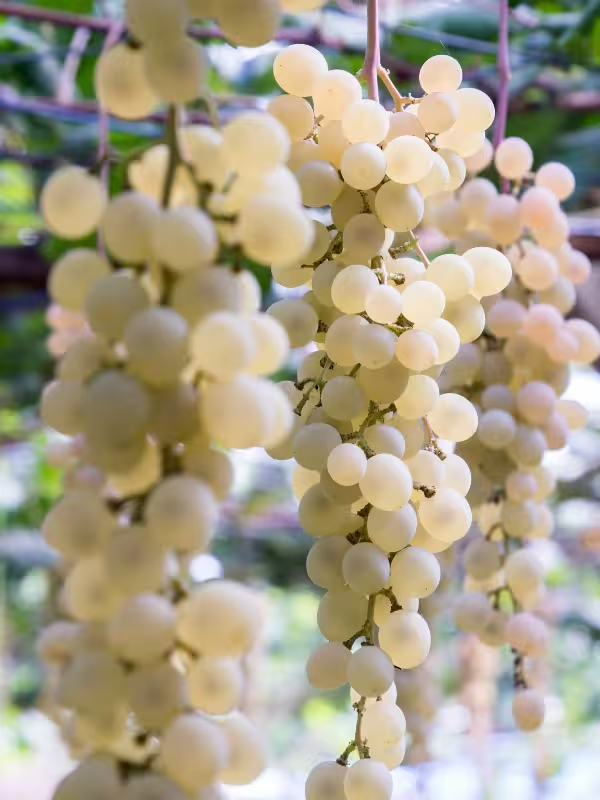
Château d’Yquem, the Sauternes estate, offers one such avenue. Its wines’ capacity to develop over time makes vintage selection a particularly engaging conversation, whether choosing for nearer-term enjoyment or a future occasion.
The point is to remain curious. A thoughtful collection can accommodate both familiar pleasures and discoveries that gradually broaden your taste.
Plan storage from the outset
Storage should be considered alongside the first purchase. Discuss suitable home facilities or professional cellaring with your merchant, and keep records of purchases, quantities, storage locations and suggested drinking windows.
Justerini & Brooks provides professional storage services and guidance on storage conditions, offering one route for collectors to explore.
Review the collection periodically. Open bottles, make notes and allow the next purchase to reflect what you have learned.
Explore Fine Wine with Insignia
Whether your interest begins with a tasting, a producer visit or a particular bottle, speak with Insignia’s Lifestyle Boutique about the experiences and specialist introductions that could help shape your collection.